Quick answer
Form 2553 is the S corporation election. Form 8832 is the entity classification election. Tax Paperwork can organize browser-local, watermarked draft mechanics after the decision is already known, but it does not choose a classification, recommend S corporation status, file, fax, mail, track, or advise on tax consequences.
Sources and limits
Use the linked IRS Form 2553, Form 2553 instructions, IRS Form 8832, and IRS Form 8832 where-to-file pages as official source starting points. This guide is for orientation and does not provide tax, legal, accounting, classification, restructuring, S corporation eligibility, deemed-transaction, late-election, or entity-structuring advice.
The short distinction
Form 2553 is used by a corporation or eligible entity to make an S corporation election under section 1362(a). Form 8832 is used by an eligible entity to elect classification as a corporation, partnership, or entity disregarded from its owner.
Searches for Form 2553 vs Form 8832 often begin with an LLC classification question, but Tax Paperwork does not decide between default LLC treatment, corporate classification, or S corporation treatment.
Form 2553 paperwork
A Form 2553 S corporation election draft needs known entity facts, tax year, effective date, officer signature, and shareholder consent details.
Mailing or faxing proof, late-election relief, shareholder eligibility, state tax treatment, and whether S corporation status is right are outside the browser-local draft preview.
Form 8832 paperwork
A Form 8832 entity classification election draft starts after the classification is already chosen. The draft can organize known classification, effective date, signer, consent, mailing, and return-copy records.
Tax Paperwork does not choose the classification, analyze deemed transactions, advise on retroactive dates, mail the form, or attach a copy to a federal return.
Where Tax Paperwork fits
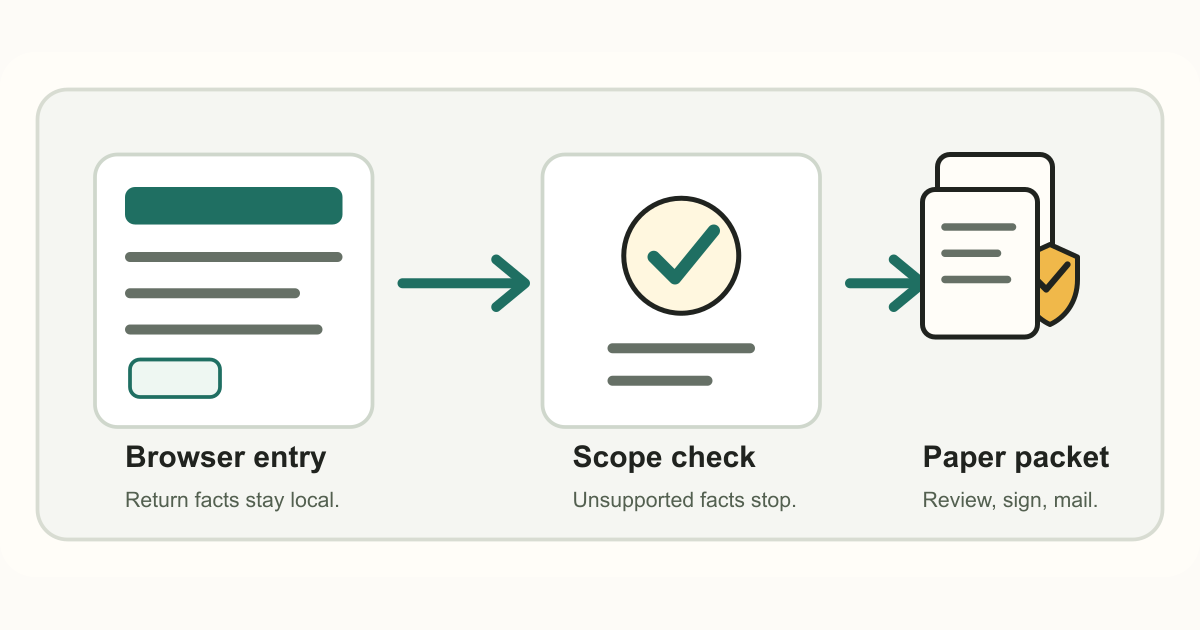
The product can help organize known form fields and proof records for supported public-preview drafts while keeping answers local to the browser.
Generated PDFs are watermarked draft previews and are not IRS filings, IRS submissions, acceptance notices, or professional advice.
When to stop
- You are unsure which tax classification the entity should choose or whether S corporation status is right.
- The facts involve late-election relief, retroactive dates, deemed transactions, nonresident owners, ineligible shareholders, ownership disputes, restructuring, or state tax consequences.
Related Guides And Draft Previews
How this page was prepared
This page starts from the official sources linked below, keeps filing-channel decisions with IRS.gov or qualified professionals, and shows the same limits that appear in the public draft previews.
Tax Paperwork pages are maintained under the editorial policy and checked against the public-preview evidence described on the preview confidence page. Last page review: June 14, 2026.
Current Tax Paperwork boundary
Tax Paperwork is not tax, legal, accounting, entity-structuring, treaty, fiduciary, valuation, or filing-channel advice. It is not IRS.gov and does not submit, transmit, fax, mail, upload, pay, or monitor IRS paperwork.